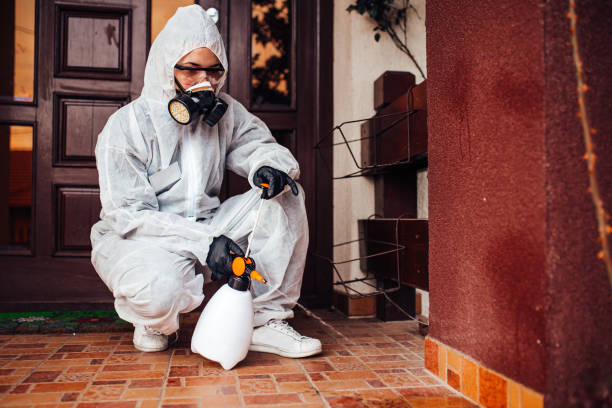
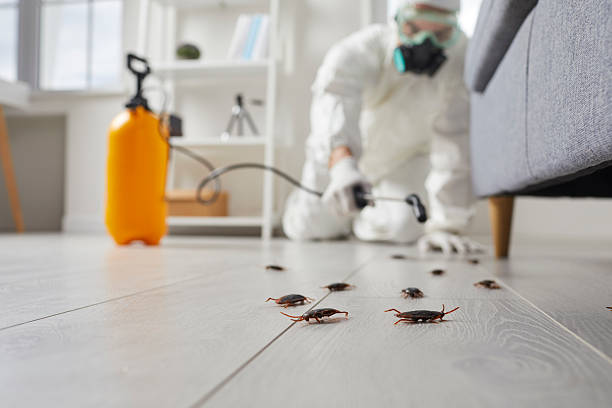
A one-way exclusion door lets an animal leave the attic to forage but not return, which is a more reliable long-term fix than trapping alone. Pinecrest wildlife calls spike seasonally as animals seek denning sites for winter or safe spaces to raise spring litters, which shapes how urgently we schedule each case.
We trace scratching, droppings, and damage back to the actual entry gap before recommending trapping or exclusion.
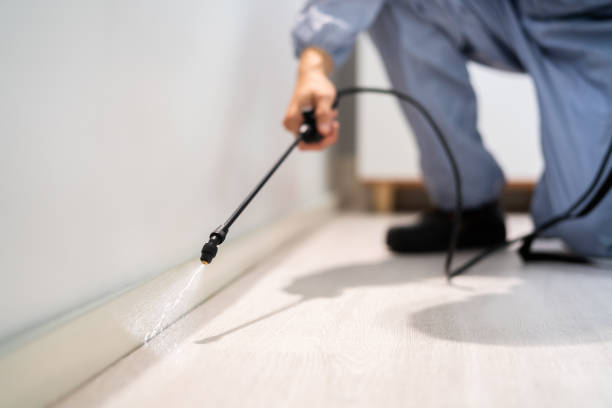
Every technician handling Pinecrest wildlife calls carries state wildlife control licensing and liability coverage.
Wildlife calls involving attic activity or damage get prioritized scheduling given how quickly nesting animals cause structural harm.
You'll see the full cost of removal and exclusion work before we start, no surprise add-ons afterward.
We use humane cage traps and one-way exclusion doors designed to let animals leave without re-entering.
Raccoons often den in attics and chimneys to raise young, so removal timing accounts for dependent litters before exclusion begins.
Exclusion work includes repairing chewed soffit and vent damage that squirrels use as repeat entry points.
Opossums frequently den under decks, sheds, or in crawl spaces, so trapping focuses on those specific access points.
We install one-way bat valves that let the colony exit at dusk to feed but prevent re-entry.
Wildlife damage repair covers soffit, vent screening, and insulation affected by nesting activity.
Commercial wildlife accounts include recurring exterior checks for new entry points across a property portfolio.

Tell dispatch whether it's attic thumping, chimney noise, or under-deck activity so the right equipment gets loaded.
Our mobile units carry species-specific equipment, since raccoon, squirrel, and bat jobs each need different tools.
Inspection includes checking for dependent young before finalizing a removal and exclusion timeline.
Guarantee coverage means new activity from the same entry point within the window gets addressed at no charge.
The one-way door approach meant we didn't have to worry about the squirrel getting back in after it left to forage.
Appreciated that they explained the regulations around bat removal instead of just doing whatever was fastest.
Having documented reports for each building helped us track which units needed exclusion repairs.
The technician found an old vent gap we'd never have spotted ourselves as the actual entry point behind the attic noise.

No matter which Pinecrest neighborhood you're in, a technician equipped for wildlife-specific removal can reach you quickly. We service single-family homes, multi-unit properties, and commercial buildings across Pinecrest for nuisance wildlife of every kind.

Timing matters too: bats are typically heard at dusk when they leave to feed, unlike raccoons which are active at night generally.
Trapping removes the current animal, but permanent gap sealing is what actually stops repeat activity.
No — many bat species are protected during certain months to avoid separating flightless young from the colony, so timing follows state regulations.
Humane methods are standard for all wildlife removal, in line with state wildlife handling regulations.
Timing is adjusted to avoid trapping young inside once the parent is excluded.
Repair work covers soffit, vents, and insulation affected by nesting, available as part of the exclusion service.
Call +1-866-315-0243 for a same-day wildlife inspection.
Call +1-866-315-0243